

Most people fail at healthy eating not because they lack discipline, but because they overcomplicate food. Charts feel strict, rules feel exhausting, and diets feel temporary. As a result, people either quit or keep switching plans.
However, a balanced diet chart for a healthy body is not meant to control you. Instead, it is meant to support your daily life, energy levels, and long-term health. When food works with your routine instead of against it, consistency becomes natural.
This article explains balance in a realistic way — not through extreme nutrition theory, but through how real people actually eat and live.
Why “Balanced” Matters More Than “Perfect”

Perfect eating does not exist in real life. Work stress, family routines, and social situations always interfere. Therefore, aiming for perfection often leads to guilt and inconsistency.
A balanced diet works differently:
- It allows flexibility
- It adapts to lifestyle changes
- It focuses on nourishment, not restriction
As a result, people who eat balanced meals stick to healthy habits longer than those who follow strict diets.
Understanding Food as a Daily System

Food is not just nutrition — it is a daily system. What you eat affects:
- Energy levels
- Mood and focus
- Sleep quality
- Hunger patterns
Therefore, a balanced diet chart should focus on how meals connect to each other throughout the day, not just what appears on your plate.
The Real Meaning of a Balanced Diet Chart

A balanced diet chart is not a fixed menu. Instead, it is a framework that ensures your body receives:
- Enough energy to function
- Enough protein to repair
- Enough fiber to digest
- Enough fats to regulate hormones
Moreover, balance changes depending on age, activity level, and daily workload
Step 1: Start the Day With Digestive Support

The body wakes up dehydrated and slow. Therefore, the first meal should focus on hydration and digestion, not heaviness.
Early morning balance includes:
- Water to rehydrate
- Light nutrients to activate digestion
This prepares your system for better nutrient absorption later in the day.
Step 2: Build Breakfast for Stability, Not Fullness

Many people either skip breakfast or overeat. However, both cause energy crashes.
A balanced breakfast focuses on:
- Moderate carbohydrates for energy
- Protein for satiety
- Fiber for digestion
As a result, hunger stays controlled until lunch and concentration improves.
Step 3: Midday Eating for Sustained Energy

Lunch should refuel the body without slowing it down. Heavy meals reduce productivity, while insufficient meals cause fatigue.
Therefore, a balanced lunch:
- Includes slow-digesting carbohydrates
- Contains protein for muscle support
- Adds vegetables for micronutrients
Consequently, energy remains stable through the afternoon.
Step 4: Smart Snacking Instead of Emotional Eating

Most unhealthy eating happens not because of hunger, but because of boredom or stress.
Balanced snacking:
- Prevents overeating at dinner
- Maintains blood sugar levels
- Reduces junk cravings
However, snacks should support meals — not replace them.
Step 5: Light but Nourishing Dinners

Dinner affects sleep, digestion, and next-day energy. Therefore, balance at night is critical.
A healthy dinner:
- Prioritizes vegetables and protein
- Limits heavy carbohydrates
- Supports overnight recovery
As a result, sleep quality improves and morning fatigue reduces.
Hydration: The Silent Part of Every Diet Chart

Even the best diet fails without proper hydration. Water regulates digestion, temperature, and nutrient transport.
Moreover:
- Mild dehydration feels like hunger
- Poor hydration causes fatigue
- Digestion slows without fluids
Therefore, hydration should be treated as part of nutrition, not an afterthought.
Why Balanced Eating Improves Mental Health
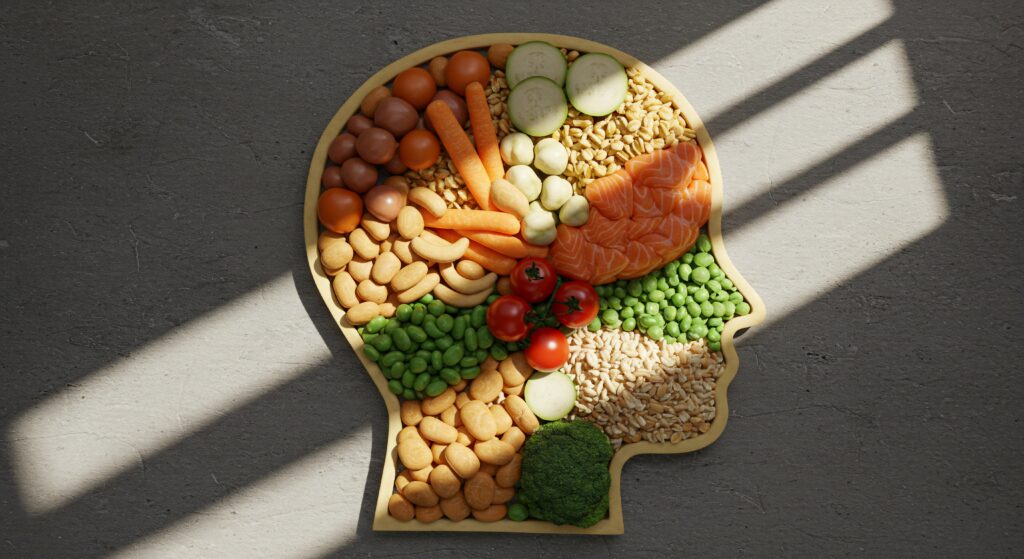
Food affects the brain as much as the body. Sudden sugar spikes and crashes influence mood and focus.
A balanced diet:
- Stabilizes energy
- Reduces irritability
- Improves concentration
Consequently, emotional eating reduces naturally.
Common Reasons People Fail at Balanced Diets

Despite good intentions, people struggle because:
- They copy unrealistic plans
- They skip meals
- They remove entire food groups
- They expect instant results
However, balance requires patience, not pressure.
How to Make a Balanced Diet Sustainable

Sustainability comes from simplicity.
Helpful strategies include:
- Eating similar meals regularly
- Keeping ingredients simple
- Planning, not restricting
Therefore, healthy eating becomes routine instead of effort.
Balanced Diet Is a Lifestyle Skill

Eating balanced meals is not a challenge — it is a skill learned over time.
Once developed:
- Food decisions become easier
- Health improves quietly
- Weight manages itself naturally
As a result, you stop “dieting” and start living healthier.
Final Thoughts
A balanced diet chart for a healthy body is not about strict rules, clean eating trends, or punishment. It is about understanding how food supports your daily life.
When meals are balanced, energy improves.
When energy improves, habits improve.
And when habits improve, health follows naturally.
Balanced eating is not control — it is care practiced daily.