

Most people believe that a morning fitness routine requires a gym membership, fancy equipment, or extreme motivation. However, the truth is very different. A successful routine is not built on intensity — it is built on compatibility with your daily life.
In fact, many people quit exercising not because they are lazy, but because they copy routines that were never designed for them. Therefore, the key to long-term fitness is not doing more, but doing what you can sustain.
This article explains how to build a realistic morning fitness routine that supports your body, energy, and schedule — without pressure.
Why Mornings Matter More Than You Think

First of all, mornings are when the mind is least distracted. Before work stress, notifications, and responsibilities take over, your body is more responsive to movement.
Moreover, morning exercises:
- Activates metabolism early
- Improves mental focus
- Creates a positive tone for the day
As a result, people who move in the morning often make better health decisions throughout the day.
The Biggest Mistake People Make With Morning Fitness

Most beginners start too aggressively. For example, they follow intense online workouts or long routines that feel inspiring — for a few days.
However, very quickly:
- The body feels sore
- Motivation drops
- Consistency breaks
Therefore, the goal should not be exhaustion. Instead, the goal should be activation.
Step 1: Define the Purpose of Your Routine
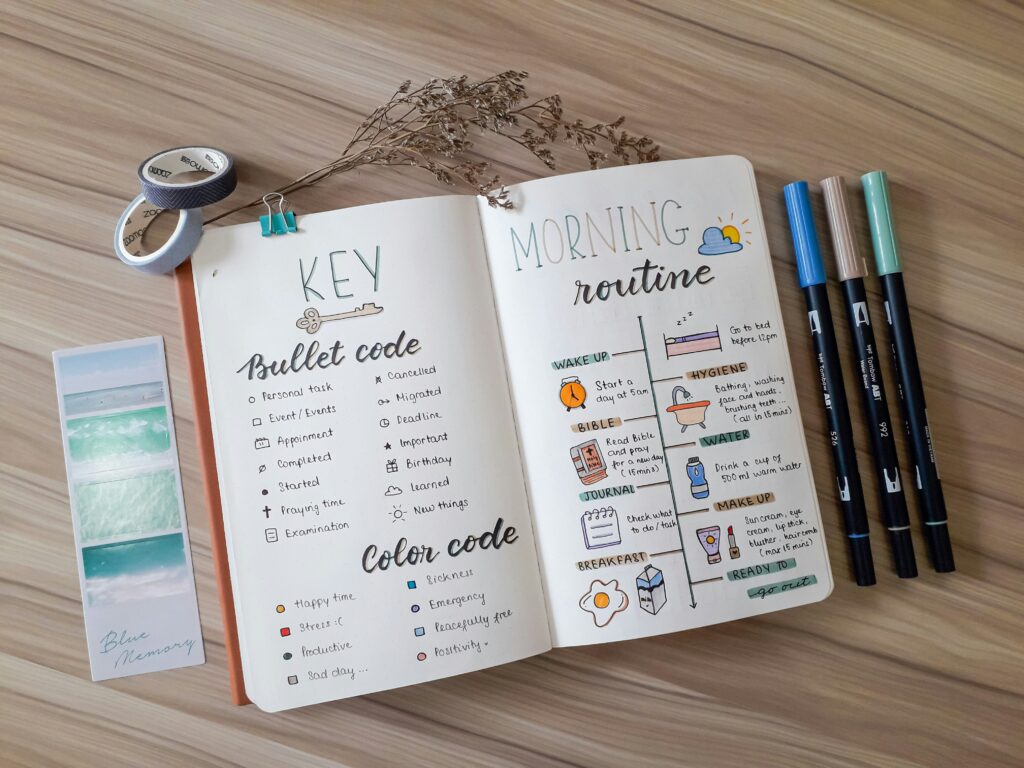
Before choosing exercises, you must understand why you want a morning routine.
Some common purposes include:
- Increasing daily energy
- Reducing stiffness
- Improving mental clarity
- Supporting weight management
Once your purpose is clear, your routine becomes focused instead of random.
Step 2: Keep the Time Window Small

One major reason routines fail is time pressure. People assume workouts must be long to be effective.
In reality:
- 10–20 minutes is enough
- Short routines reduce resistance
- Consistency matters more than duration
Therefore, start with a time slot that feels easy to protect.
Step 3: Begin with Gentle Body Activation

The body is stiff after sleep. Jumping into intense movements increases injury risk.
Instead, begin with:
- Light stretching
- Joint rotations
- Controlled breathing
As a result, blood flow improves and muscles wake up naturally.
Step 4: Add Simple Strength Movements

Strength is essential for long-term fitness. However, it does not require heavy weights.
Simple body weight exercises like:
- Squats
- Push-ups (or wall push-ups)
- Lunges
- Planks
These movements strengthen muscles while improving balance and coordination.
Step 5: Include Light Cardio for Circulation

Cardio in the morning should energize, not drain you.
Therefore, choose gentle options such as:
- Brisk walking
- Marching in place
- Skipping without intensity
Consequently, heart health improves without fatigue.
Step 6: End With Breathing or Stretching
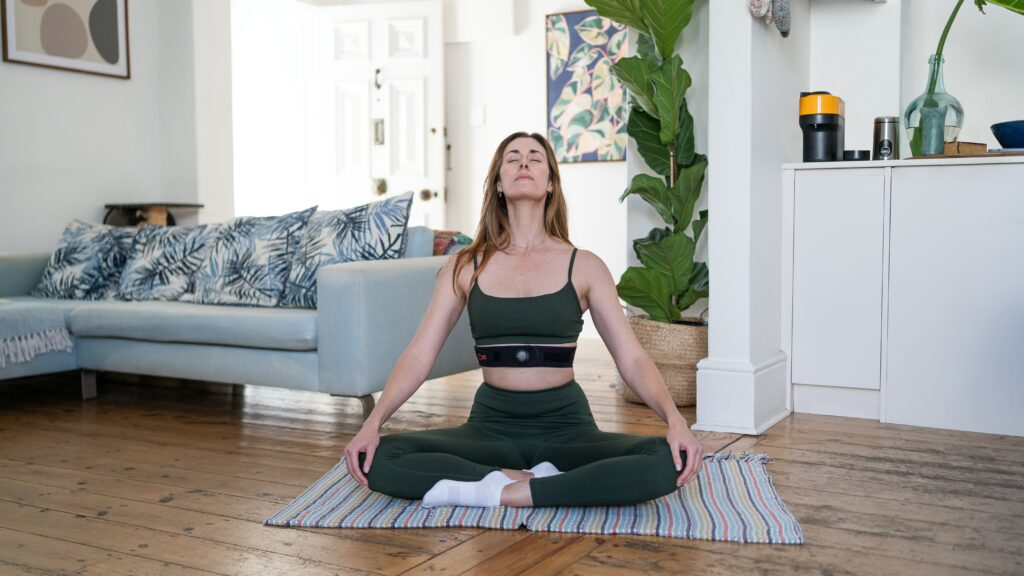
Many people skip cool downs, but this step is crucial.
Ending your routine with:
- Deep breathing
- Slow stretching
This signals the nervous system to stay calm and focused. As a result, stress levels reduce throughout the day.
How a Morning Fitness Routine Affects Mental Health

Exercise is not only physical. Morning movement influences mood chemicals like endorphins and dopamine.
Because of this:
- Anxiety reduces
- Focus improves
- Emotional stability increases
Therefore, fitness becomes a mental tool, not just a body goal.
Adjusting the Routine as Life Changes

Your routine should evolve with your lifestyle.
For example:
- Busy days → shorter routine
- Low-energy days → lighter movements
- High-energy days → slightly more intensity
This flexibility prevents burnout and keeps fitness sustainable.
Why Consistency Beats Motivation

Motivation is emotional and temporary. Habits, on the other hand, are automatic.
When you exercise:
- At the same time
- In the same place
- With the same structure
Your brain starts treating it as normal — not optional.Morning Fitness without Equipment or Gym
One of the biggest advantages of morning routines is simplicity.
You don’t need:
- Machines
- Supplements
- Expensive gear
Your body weight, floor space, and commitment are enough.
Long-Term Benefits of a Morning Fitness Routine

Over time, a consistent routine leads to:
- Better posture
- Improved metabolism
- Stronger muscles
- Higher daily energy
Most importantly, fitness becomes part of life — not a task.
Final Thoughts
A morning fitness routine should not feel like punishment. Instead, it should feel like self-respect practiced daily.
When movement fits your life, you stop forcing discipline and start enjoying consistency.
Start small. Stay flexible. Move daily.
That is how real fitness is built.
Your article is valuable for me and for others. Wish to see much more like this.
Thanks for sharing your information
Keep it up.