
Weight loss has become one of the most misunderstood topics in health and fitness. Everywhere you look, people are promoting fast results, miracle diets, and extreme workouts. However, most of these methods fail in the long run because they do not respect how the human body actually works.
Natural weight loss is not about eating less — it is about eating right, moving wisely, and creating habits that your body can sustain. This article will show you how to lose weight naturally without starving yourself or following extreme plans.
Understanding What Natural Weight Loss Really Means

Natural weight loss means allowing your body to burn excess fat in a healthy way, without shocking your system. Instead of forcing quick changes, you create conditions where weight loss happens naturally.
When your body receives:
- Balanced nutrition
- Enough movement
- Proper sleep
- Low stress
it automatically starts correcting weight imbalances.
Why Starving Never Works for Long-Term Weight Loss

Many people think eating less means losing more weight. However, starvation slows down your metabolism. When the body feels deprived, it holds on to fat for survival.
As a result:
- Weight loss stops
- Energy drops
- Cravings increase
- Muscle mass decreases
This is why people regain weight after crash dieting. Natural weight loss focuses on nourishment, not punishment.
Step 1: Eat for Energy, Not for Emotions

Most overeating happens because of stress, boredom, or emotional discomfort — not hunger.
To lose weight naturally:
- Eat when you are physically hungry
- Stop when you feel comfortable, not full
- Avoid eating while scrolling or watching TV
This awareness reduces unnecessary calories without dieting.
Step 2: Choose Foods That Keep You Full Longer

Hunger control is the secret to natural weight loss.
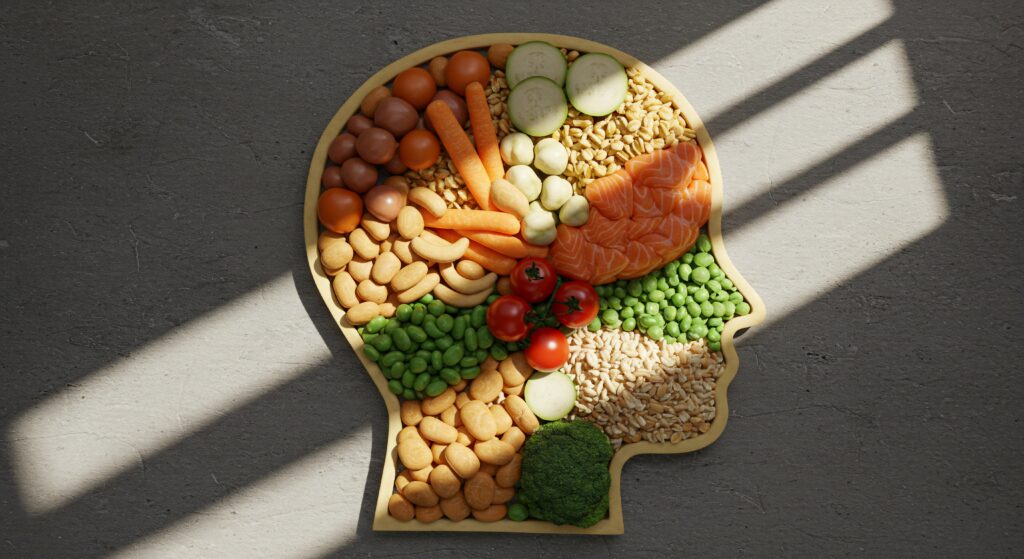
Foods that keep you satisfied include:
- Eggs, lentils, beans
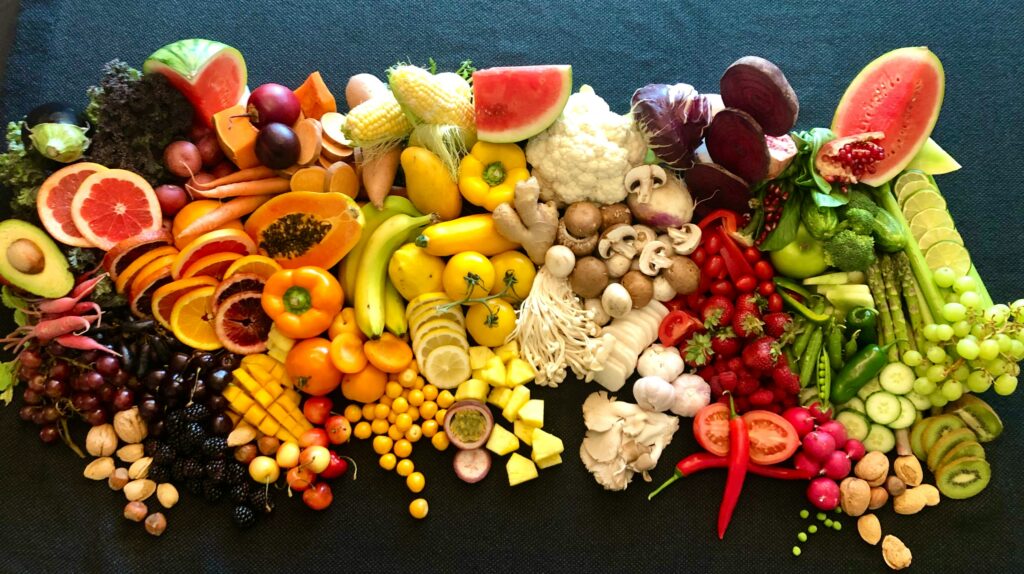
- Vegetables
- Fruits
- Whole grains
These foods contain fiber and protein, which slow digestion and prevent overeating.
Step 3: Balance Your Blood Sugar
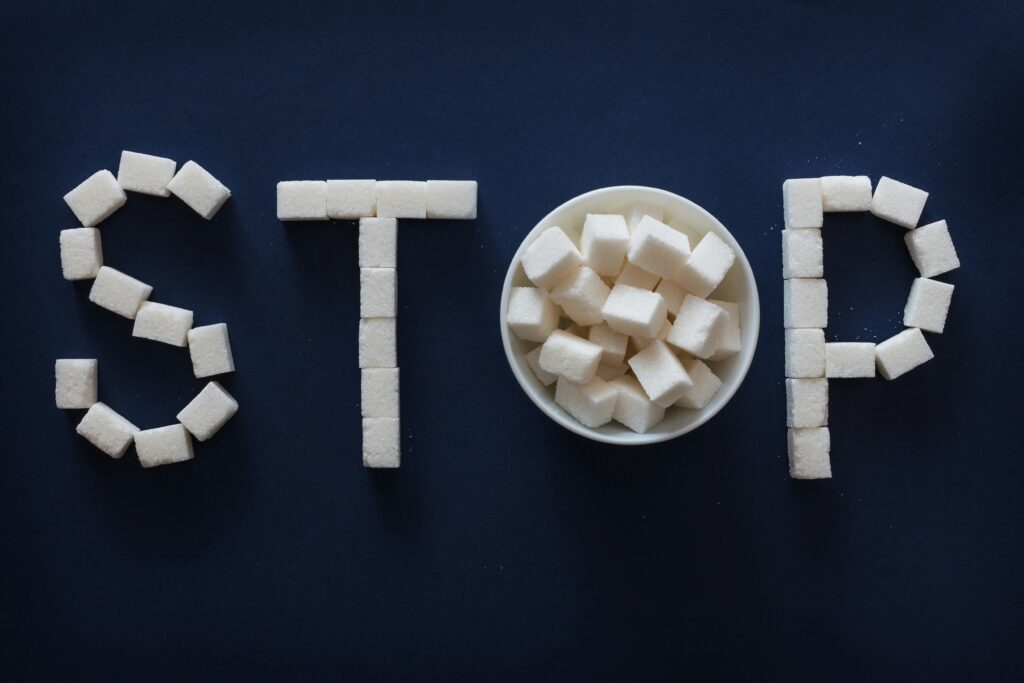
Sudden sugar spikes cause energy crashes and cravings. Stable blood sugar helps control appetite naturally.
To balance blood sugar:
- Avoid sugary drinks
- Eat protein with carbohydrates
- Do not skip meals
As a result, fat burning becomes easier.
Step 4: Move Your Body Every Day

You do not need intense workouts to lose weight. Consistent movement is more powerful than occasional hard exercise.
Effective daily movements:
- Walking
- Stretching
- Cycling
- Light strength training
Movement increases metabolism and helps the body use stored fat for energy.
Step 5: Sleep and Weight Loss Are Deeply Connected

Poor sleep increases hunger hormones and reduces fat-burning hormones.
If you want to lose weight:
- Sleep 7–8 hours
- Avoid screens before bed
- Maintain a consistent sleep schedule
Better sleep leads to better appetite control.
Step 6: Reduce Stress to Release Stubborn Fat

Stress causes the body to store fat, especially around the stomach.
Natural stress control includes:
- Breathing exercises
- Light exercise
- Outdoor time
- Rest days
When stress decreases, fat loss improves automatically.
Why Slow Weight Loss Is the Most Successful
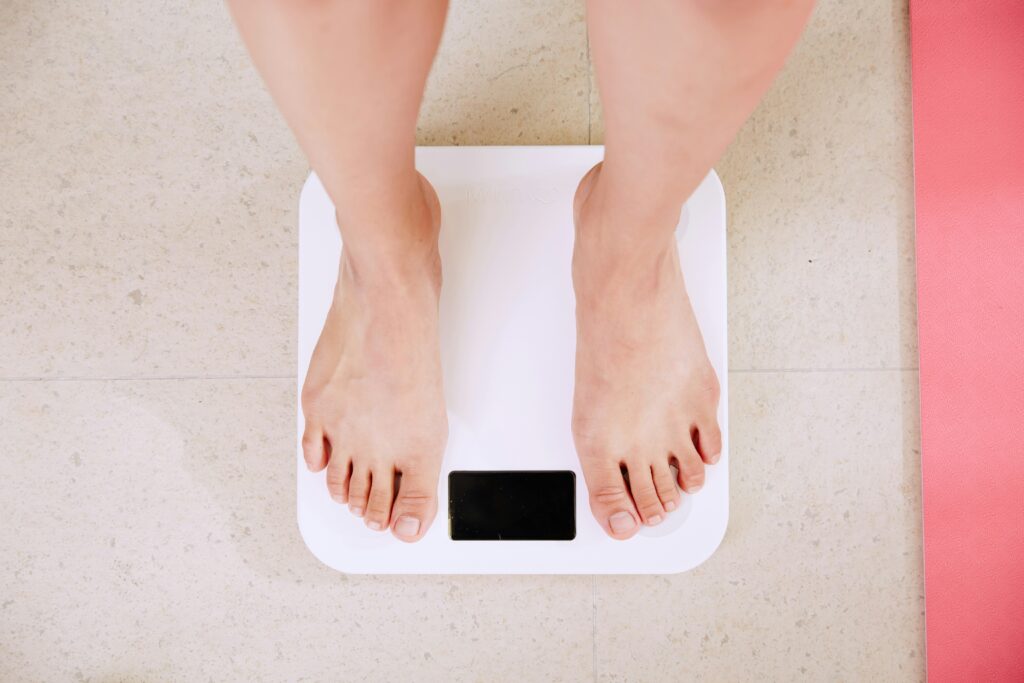
Fast weight loss usually means water loss or muscle loss. However, slow and steady fat loss is what stays.
Healthy weight loss:
- Feels normal
- Does not create weakness
- Improves energy
- Supports long-term health
Sustainability is more important than speed.
Common Myths About Natural Weight Loss

Many people fail because they believe false ideas
- Avoid starvation.
- Didn’t fear of food.
- No punishment.
The truth is that weight loss becomes easier when the body feels safe and nourished.
How Long Does Natural Weight Loss Take?

Everyone is different. However, most people notice changes within:
- 2–3 weeks in energy
- 4–6 weeks in body shape
- 8–12 weeks in weight
Patience allows your body to adapt properly.
How to Stay Consistent Without Burnout

Consistency is easier when routines are simple.
Tips:
- Eat similar meals often
- Move at the same time daily
- Avoid complicated plans
Simple habits last longer.
Final Thoughts
Natural weight loss is not a fight against your body — it is a partnership with it. When you provide the right food, movement, rest, and mental balance, your body releases excess weight on its own.
You do not need extreme diets.
You do not need punishment.
You need understanding, patience, and consistency.
When your lifestyle becomes healthy, weight loss becomes automatic.